Premium Arbequina Extra Virgin Olive Oil
Add to cart

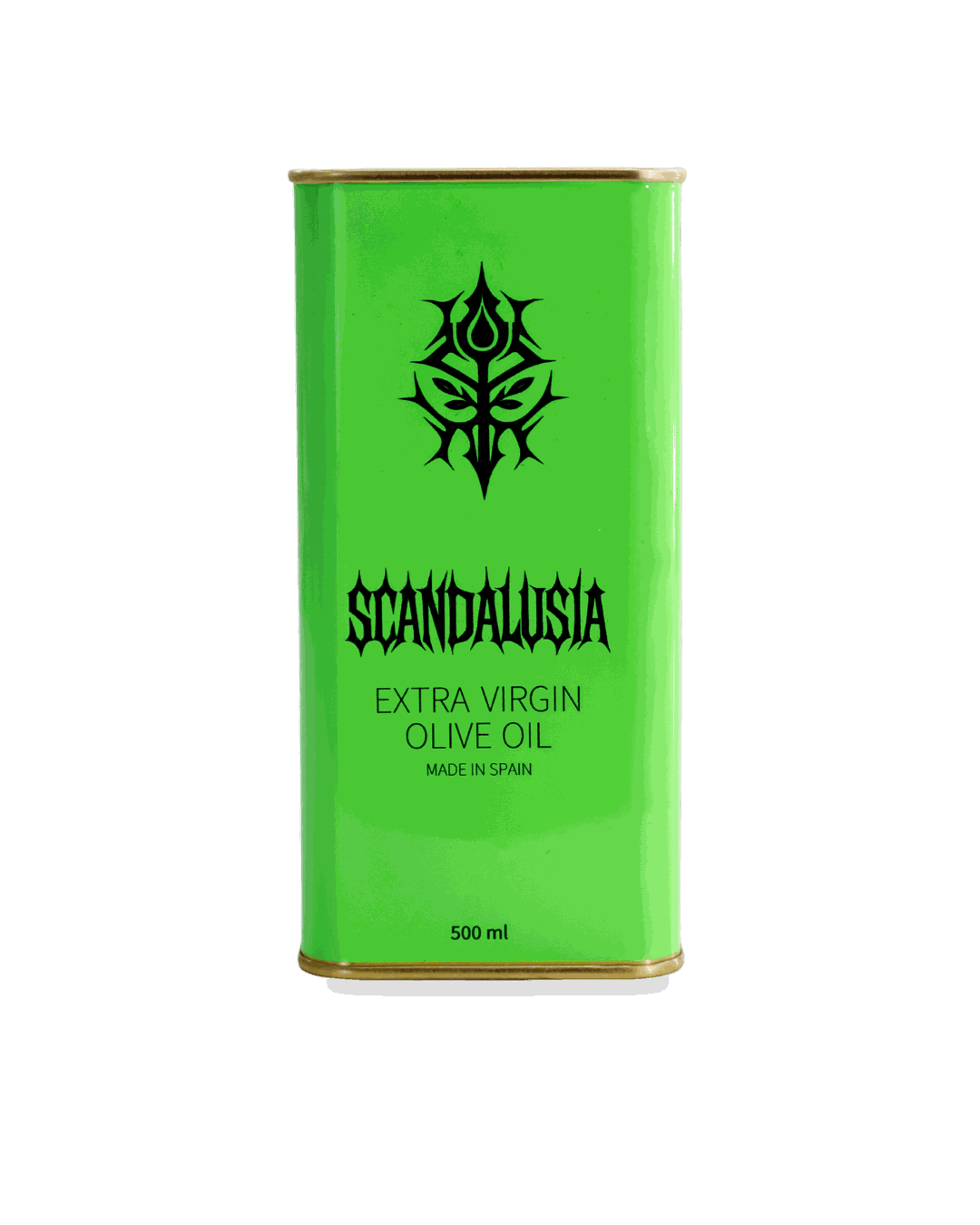
Premium Arbequina
Extra Virgin Olive Oil
Harvested in the hills of Cádiz and pressed locally for freshness, our Arbequina is anything but neutral. With just 0.21% acidity, it starts smooth and finishes with a subtle phenolic bite.
Taxes included. Shipping calculated at checkout.
Choose your size:
In 2025, just 3,500 litres were produced at Las Tejoneras in Cádiz, using only Arbequina olives. Fruit picked in early October brings freshness and green character, while the later November harvest adds roundness and depth.
Cold extracted within hours and made using mechanical methods only, the result is a balanced, expressive olive oil with a clean finish and subtle intensity.
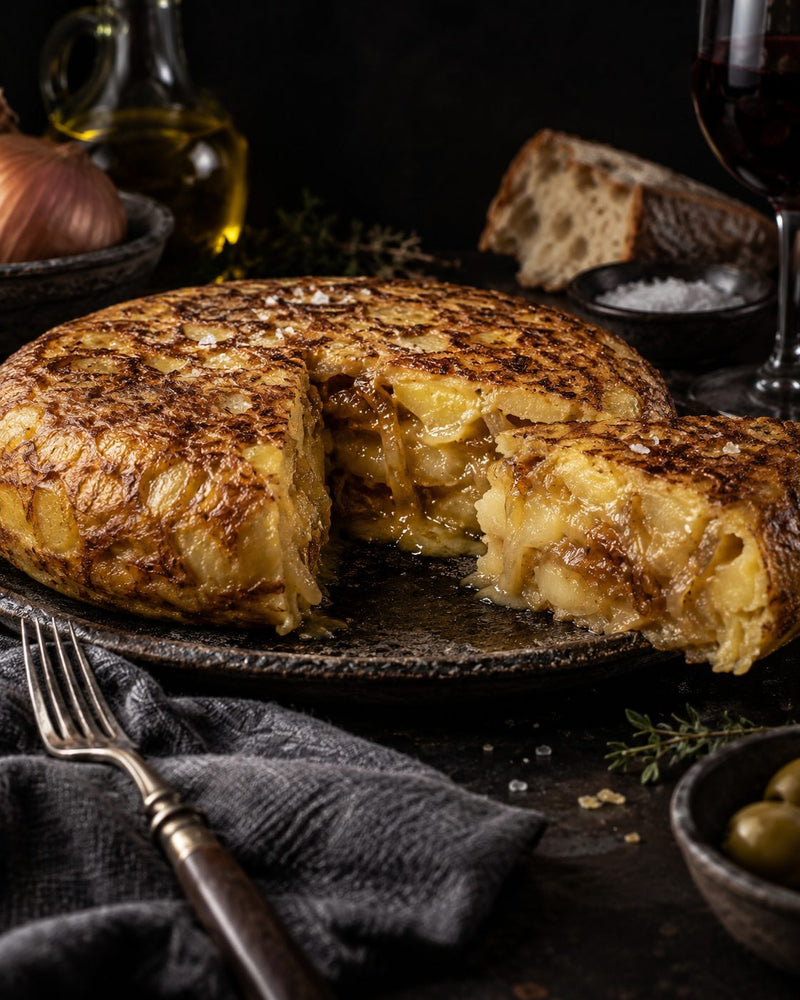
Use it over bread, tomatoes, salads and vegetables, as a finishing oil, or even in baking for a lighter, more aromatic alternative to butter.
Las Tejoneras is more than where our olive oil comes from — it is where Scandalusia begins.
Set among the hills of Cádiz, the estate is shaped by dry summers, long afternoons, wild herbs and rows of olive trees that have become part of the landscape. It is a place built around the rhythm of the land: harvests, shared meals, changing seasons and the simple pleasure of good food.
Everything we make starts here. The olive oil is not just one product from the estate — it is the heart of it.
From our estate to your table.


One oil. Endless ways.

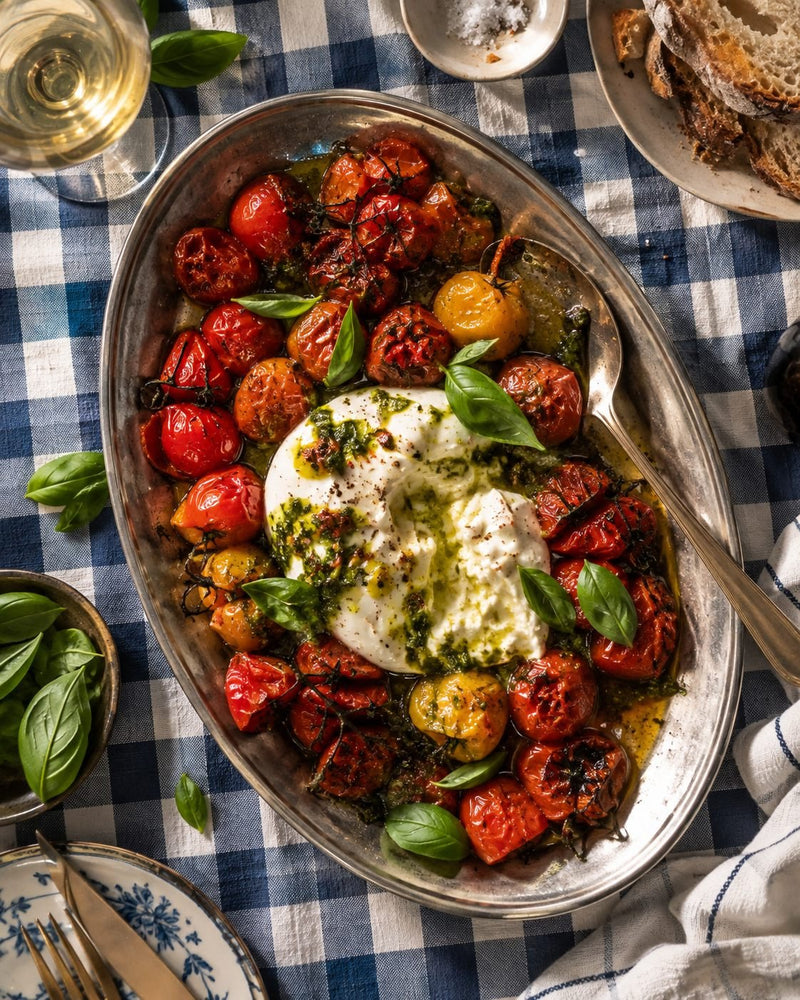


Ingredients
Ripe tomatoes, Cucumber, Green pepper, Garlic, Day-old bread, Sherry vinegar, Scandalusia EVOO, Sea Salt
Method
Blend the tomatoes, cucumber, green pepper, garlic and bread until completely smooth. Add the sherry vinegar and a pinch of sea salt, then slowly pour in the olive oil while blending to create a silky, emulsified texture. Taste and adjust the seasoning if needed, then chill for at least one hour so the flavours can come together. Serve very cold and finish with an extra drizzle of Scandalusia EVOO just before serving.
Frequently Asked Questions
Where is Scandalusia olive oil produced?
Scandalusia is produced exclusively at our family-owned estate, Las Tejoneras, in the hills of Cádiz, Spain. Every olive is grown, harvested, and processed on the estate, ensuring full control over quality from grove to bottle.
What does “first press” mean?
It refers to the first mechanical extraction of the olives. This process helps preserve the oil’s natural aromas and delicate flavours.
Why is the oil packaged in a tin?
Olive oil is sensitive to light, air, and heat. Our tin packaging helps protect it from light exposure, helping preserve its freshness, aroma, and quality for longer.
How is Scandalusia best enjoyed?
Scandalusia is at its best when used to enhance simple, high-quality ingredients.
Drizzle it over fresh salads, burrata, ripe tomatoes, roasted vegetables, potatoes, eggs, grilled fish, or artisan bread. Its versatility also makes it suitable for cooking and frying, from homemade French fries to fried eggs.
Whether used as a finishing touch or in everyday cooking, Scandalusia brings depth, freshness, and flavour to every dish.
How should I store olive oil?
Store your olive oil in a cool, dry place away from direct heat and light. Proper storage helps preserve its freshness, aroma, and character over time.
What makes Scandalusia different from other olive oils?
Our oils are single-estate, early harvested, cold extracted, and produced in limited batches. By controlling every step of production on our family-owned estate, we focus on preserving the freshness, balance, and natural expression of the olive.
What does “early harvest” mean?
Early harvest means the olives are picked before full ripeness. This approach influences the oil’s flavour and character.
What are polyphenols?
Polyphenols are naturally occurring compounds found in olives. Their levels vary depending on factors such as the olive variety and harvesting conditions. They are one of several characteristics that can be considered when describing an olive oil.
More stuff you'll dig
-
-
Tote Bag Rocio
7,50€ -
Tote Bag Lola
7,50€